Understanding Hypo and Hyperthyroidism: Symptoms, Causes, and Management
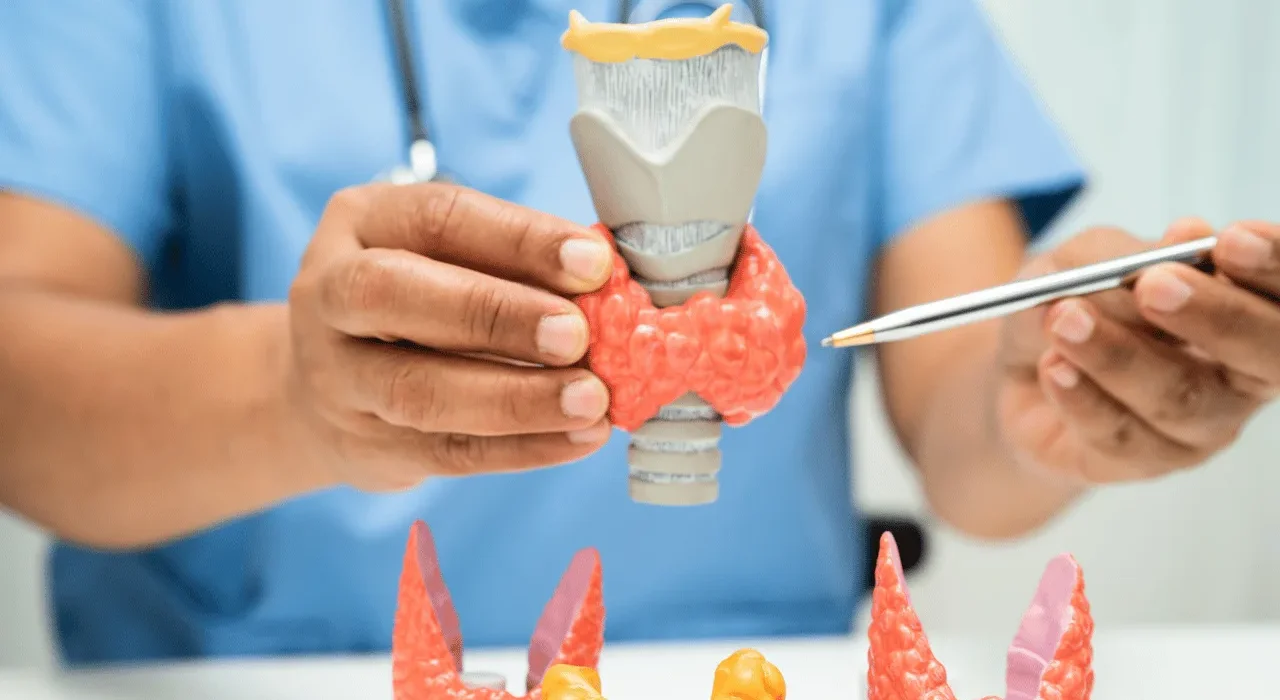
The thyroid gland, a butterfly-shaped organ located at the base of the neck, plays a critical role in regulating various bodily functions through hormone production. However, when the thyroid produces either too little or too much hormone, it can lead to conditions known as hypothyroidism and hyperthyroidism, respectively. In this blog, we’ll delve into these two thyroid disorders, exploring their symptoms, causes, and management options.
What is Hypothyroidism?
Hypothyroidism occurs when the thyroid gland is underactive and does not produce enough thyroid hormones. These hormones are crucial for maintaining the body’s metabolism, energy production, and overall functioning.
Symptoms of Hypothyroidism
Common symptoms include:
- Fatigue and weakness
- Weight gain despite no changes in diet
- Cold sensitivity
- Dry skin and hair loss
- Depression or mood swings
- Constipation
- Slow heart rate
- Memory issues or difficulty concentrating (often referred to as “brain fog”)
Also read:- PCOD & PCOS Treatment in Abu Dhabi with Homeopathy
Causes of Hypothyroidism
The most common causes are:
- Hashimoto’s Thyroiditis: An autoimmune condition where the immune system attacks the thyroid gland.
- Iodine Deficiency: Iodine is essential for thyroid hormone production.
- Certain Medications: Drugs like lithium or amiodarone can affect thyroid function.
- Thyroid Surgery or Radiation Therapy: These treatments may impair thyroid hormone production.
Diagnosis of Thyroid Disorders
Diagnosing hypo- and hyperthyroidism typically involves:
- Blood Tests: Measuring levels of Thyroid Stimulating Hormone (TSH), T3, and T4 hormones.
- Physical Examination: Checking for signs like an enlarged thyroid (goiter) or bulging eyes.
- Imaging: Ultrasound or radioactive iodine uptake tests to assess thyroid function and structure.
Also read:- What Is PCOD/PCOS and How Can It Be Managed?
Management and Treatment Options
For Hypothyroidism:
- Medication:
- Levothyroxine, a synthetic thyroid hormone, is commonly prescribed to restore normal hormone levels.
- Dietary Adjustments:
- Including iodine-rich foods (e.g., seafood, dairy, and iodized salt).
- Ensuring adequate selenium and zinc intake for thyroid support.
- Regular Monitoring:
- Periodic blood tests to adjust medication dosages.
For Hyperthyroidism:
- Antithyroid Medications:
- Drugs like methimazole or propylthiouracil help reduce thyroid hormone production.
- Radioactive Iodine Therapy:
- This treatment destroys overactive thyroid cells to normalize hormone levels.
- Surgery:
- In severe cases, partial or total thyroidectomy may be performed.
- Lifestyle Modifications:
- Reducing stress and avoiding stimulants like caffeine to manage symptoms.
Complications if Left Untreated
- For Hypothyroidism: Heart disease, infertility, myxedema (a rare, life-threatening condition).
- For Hyperthyroidism: Osteoporosis, atrial fibrillation, thyroid storm (a severe, life-threatening state).
Conclusion
Both hypothyroidism and hyperthyroidism can significantly impact one’s quality of life, but with proper diagnosis and treatment, these conditions are manageable. If you experience symptoms of thyroid dysfunction, consult a healthcare professional for evaluation and personalized care. Early intervention can prevent complications and improve overall well-being.