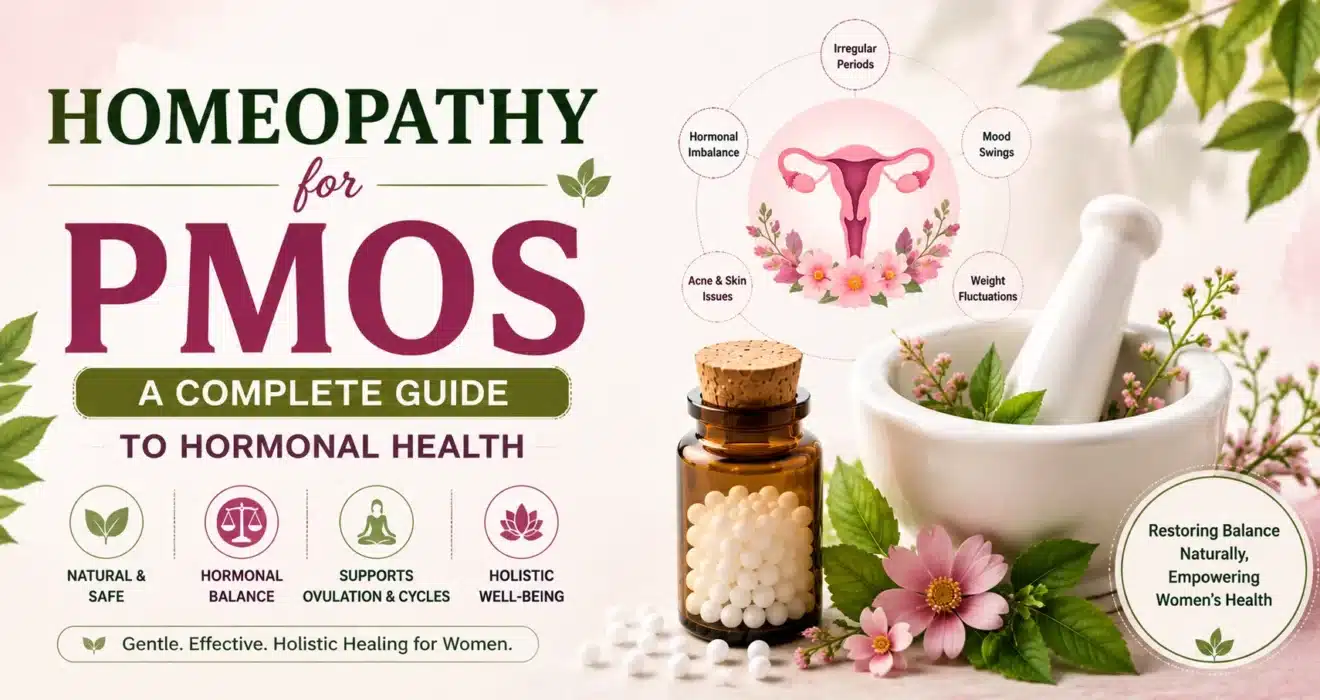
Homeopathy for PMOS: A Complete Guide to Hormonal Health
Hormonal health plays an important role in a woman’s overall well-being. When hormones become imbalanced, they can affect menstrual cycles, fertility, skin, weight, energy levels, and emotional health. One of the most common hormonal conditions affecting women of reproductive age is PMOS.
Women with PMOS may experience irregular periods, acne, unwanted hair growth, difficulty managing weight, or challenges with conception. However, every woman experiences the condition differently. Some have only mild symptoms, while others notice changes that affect their daily lives.
Many women choose homeopathy because of its individualized approach. Rather than focusing only on the diagnosis, a homeopathic doctor evaluates the patient’s complete health picture before recommending treatment.
At Rise and Shine Medical Center, Abu Dhabi, every consultation begins with understanding the patient’s symptoms, lifestyle, medical history, and hormonal health to create a personalized treatment plan.
What Is PMOS?
What is PMOS?
Polyendocrine Metabolic Ovarian Syndrome (PMOS), formerly known as PCOS, is a common hormonal and metabolic condition affecting women of reproductive age. It may cause irregular or prolonged periods, excess androgen levels, unwanted facial or body hair, and difficulty with regular ovulation.
PMOS is linked to hormonal imbalance and changes in how the body responds to insulin. While the exact cause is not fully known, genetics and lifestyle factors may contribute. Early diagnosis and appropriate management can help reduce the risk of long-term health complications.
Common Symptoms of PMOS
The symptoms of PMOS differ from one woman to another.
Some of the most common symptoms include:
- Irregular or missed periods
- Heavy or infrequent menstrual bleeding
- Acne
- Excess facial or body hair
- Thinning hair on the scalp
- Weight gain or difficulty losing weight
- Oily skin
- Difficulty conceiving
- Mood changes
- Fatigue
Not every woman experiences all of these symptoms. Some may only have one or two concerns, while others experience several.
What Causes PMOS?
The exact cause of PMOS is not fully understood, but several factors are believed to contribute.
These include:
Hormonal Imbalance
Changes in reproductive hormones may affect ovulation and menstrual cycles.
Family History
Women with close family members who have PMOS may have a higher chance of developing the condition.
Insulin Resistance
Some women with PMOS have insulin resistance, which may contribute to hormonal changes and weight management difficulties.
Lifestyle Factors
Physical inactivity, unhealthy eating habits, poor sleep, and long-term stress may also influence overall hormonal health.
How Is PMOS Diagnosed?
PMOS is diagnosed after a medical evaluation by your healthcare provider.
Diagnosis may involve:
- Discussion of menstrual history
- Physical examination
- Blood tests
- Hormone assessment
- Ultrasound examination, when appropriate
- Review of symptoms and medical history
Because several conditions can cause similar symptoms, a proper diagnosis is important before starting any treatment.
How Homeopathy Approaches PMOS
Homeopathy follows an individualized approach rather than treating the diagnosis alone.
Two women with PMOS may have completely different symptoms.
For example:
One woman may experience irregular periods with acne and oily skin.
Another may have regular periods but struggle with unwanted facial hair and weight gain.
Although both have PMOS, their health concerns differ.
A homeopathic doctor studies these individual differences before recommending treatment.
Why Individualized Treatment Matters
Individualized treatment is one of the most important principles of homeopathy.
During your consultation, the doctor may ask questions such as:
- When did your symptoms begin?
- How regular are your menstrual cycles?
- Have your symptoms changed over time?
- How is your sleep?
- How is your appetite?
- Do you experience stress or anxiety?
- What is your daily routine?
- Is there a family history of hormonal disorders?
The answers help the doctor understand your constitution and prescribe Individualized medicine.
What Happens During a Homeopathic Consultation?
A homeopathic consultation usually lasts longer than a routine appointment because it aims to understand the individual rather than focusing only on one symptom.
Your doctor may discuss:
Menstrual History
- Cycle length
- Flow
- Pain during periods
- Missed periods
- Previous treatments
Current Symptoms
- Acne
- Hair growth
- Hair loss
- Weight concerns
- Mood changes
- Fatigue
Medical History
Your doctor may also review:
- Previous illnesses
- Current medications
- Hormonal investigations
- Thyroid disorders
- Diabetes
- Family medical history
Lifestyle Assessment
Lifestyle often plays an important role in hormonal health.
The consultation may include discussion about:
- Diet
- Exercise
- Sleep
- Work routine
- Stress levels
This detailed assessment helps create a personalized treatment plan.
Constitutional Homeopathic Treatment
You may hear the term constitutional treatment during your consultation.
Constitutional homeopathy considers the person as a whole rather than focusing only on hormonal symptoms.
The doctor evaluates:
- Physical symptoms
- Emotional well-being
- General health
- Lifestyle
- Sleep
- Appetite
- Medical history
This broader understanding helps develop an individualized treatment plan.
How Long Does Homeopathic Treatment Take?
One of the most common questions women ask is how long treatment may take.
The answer varies because every woman’s health is different.
Several factors may influence the treatment timeline, including:
- Duration of symptoms
- Hormonal health
- Lifestyle
- Overall health
- Medical history
- Response to treatment
- Regular follow-up consultations
Your doctor will monitor your progress during follow-up visits and adjust your treatment plan whenever necessary.
Lifestyle Habits That Support Hormonal Health
Along with your treatment plan, healthy lifestyle habits are important for overall well-being.
These may include:
- Maintaining a healthy body weight
- Eating a balanced diet
- Exercising regularly
- Getting enough sleep
- Managing stress
- Attending regular medical check-ups
Lifestyle recommendations should always be individualized according to your health needs.
When Should You Consult a Homeopathic Doctor?
You may consider consulting a qualified homeopathic doctor if:
- Your menstrual cycles are irregular.
- You have persistent acne.
- You notice excessive facial or body hair.
- You are concerned about hormonal imbalance.
- You have been diagnosed with PMOS and would like an individualized assessment.
Women with severe pelvic pain, heavy bleeding, sudden abdominal pain, or other urgent symptoms should seek prompt medical evaluation.
Frequently Asked Questions
Can homeopathy be used for PMOS?
Homeopathy follows an individualized approach for women with PMOS. Treatment recommendations are based on a detailed assessment of symptoms, medical history, and overall health.
Why do two women with PMOS receive different homeopathic medicines?
Because every woman’s symptoms, hormonal health, lifestyle, mental symptoms and medical history are different. Homeopathy focuses on treating the individual rather than the diagnosis alone.
What happens during the first consultation?
The consultation includes discussion about menstrual history, symptoms, lifestyle, sleep, emotional well-being, medical history, and overall health.
How often are follow-up consultations needed?
The frequency depends on your symptoms and response to treatment. Your doctor will advise an appropriate follow-up schedule.
Can lifestyle changes support hormonal health?
Healthy eating, regular exercise, stress management, adequate sleep, and maintaining a healthy weight can all contribute to overall hormonal well-being.
Why Choose Rise and Shine Medical Center, Abu Dhabi?
At Rise and Shine Medical Center, Abu Dhabi, we believe every woman deserves personalized care.
Our experienced homeopathic doctors take time to understand your symptoms, hormonal health, lifestyle, and medical history before recommending an individualized treatment plan.
Our approach includes:
- Comprehensive hormonal health assessment
- Individualized homeopathic treatment planning
- Holistic health evaluation
- Lifestyle guidance
- Regular follow-up consultations
- Compassionate patient care
Conclusion
PMOS affects every woman differently, which is why individualized care is important. Homeopathy focuses on understanding the complete person rather than treating the diagnosis alone. Through detailed consultation, careful assessment, and regular follow-up, treatment is planned according to each woman’s unique health profile.
If you are experiencing symptoms of PMOS, consulting a qualified homeopathic doctor can help you better understand your condition and receive a personalized treatment plan designed around your individual health needs.
Book Your Consultation
If you are looking for an individualized approach to hormonal health, our experienced homeopathic doctors at Rise and Shine Medical Center, Abu Dhabi are here to help.
Book your consultation today and receive personalized guidance based on your symptoms, lifestyle, and overall health.
Medical Disclaimer
This article is intended for educational purposes only and should not be considered a substitute for professional medical advice, diagnosis, or treatment. Homeopathic treatment should always be provided by a qualified homeopathic practitioner. If you experience severe pain, heavy bleeding, or any urgent medical symptoms, seek prompt medical evaluation.