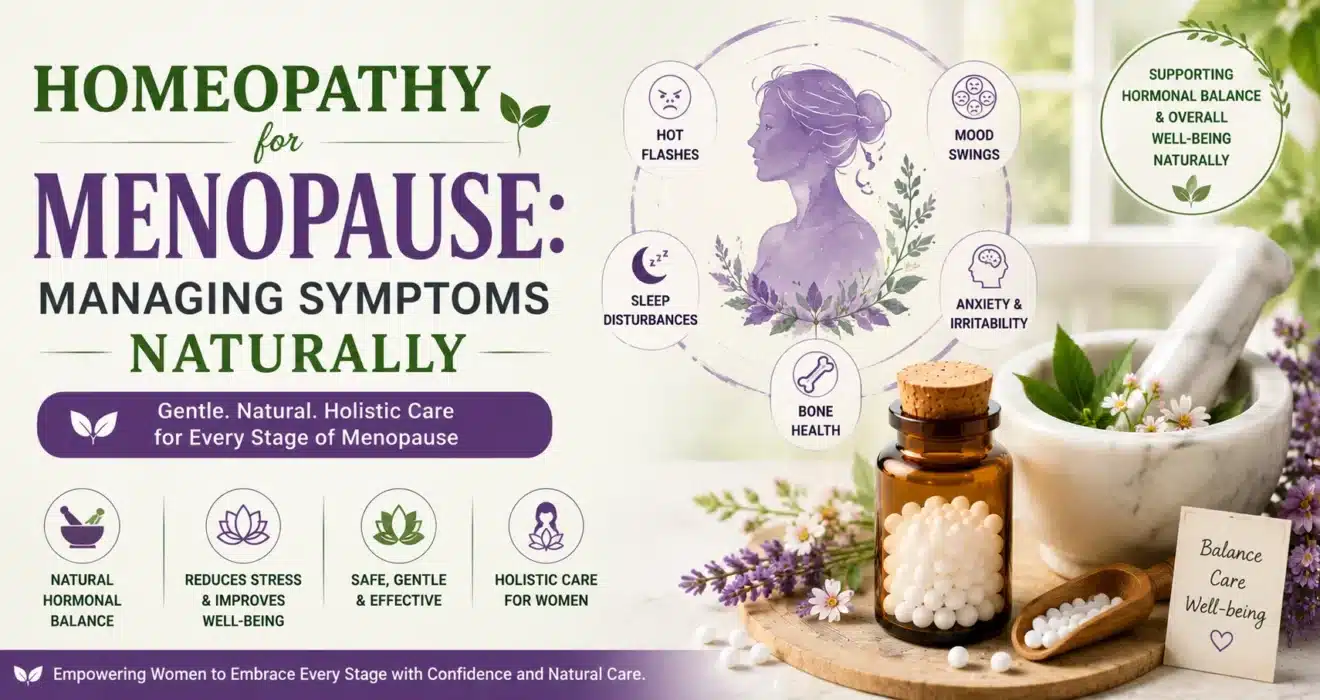
Homeopathy for Menopause: Managing Symptoms Naturally
Menopause is a natural stage in a woman’s life that marks the end of her reproductive years. While it is a normal biological process, the hormonal changes that occur during menopause can bring a variety of physical and emotional symptoms. Some women experience only mild discomfort, while others find that their symptoms affect their daily routine, sleep, work, and overall quality of life.
Common concerns such as hot flashes, night sweats, mood changes, sleep disturbances, fatigue, and joint discomfort often lead women to seek professional guidance. Many also explore homeopathy because of its individualized approach to health and well-being.
At Rise and Shine Medical Center, Abu Dhabi, every menopause consultation begins with understanding the woman’s symptoms, medical history, lifestyle, and overall health before developing a personalized homeopathic treatment plan.
What Is Menopause?
Menopause is the permanent end of menstrual periods and is confirmed when a woman has not had a menstrual cycle for 12 consecutive months. It usually occurs between the ages of 45 and 55, although the timing can vary from one woman to another.
The transition to menopause, known as perimenopause, may begin several years before menopause itself. During this time, hormone levels fluctuate, and women may notice changes in their menstrual cycle and general health.
Menopause is a natural part of ageing and not a disease. However, some women experience symptoms that may require medical evaluation and support.
Common Symptoms of Menopause
Every woman experiences menopause differently. The type and severity of symptoms vary according to individual hormonal changes and overall health.
Common symptoms include:
- Hot flashes
- Night sweats
- Irregular menstrual periods
- Mood changes
- Sleep disturbances
- Vaginal dryness
- Fatigue
- Difficulty concentrating
- Joint or muscle discomfort
- Reduced energy levels
Some women experience only a few symptoms, while others may notice several changes during the menopausal transition.
Why Do Menopause Symptoms Occur?
Menopause occurs because the ovaries gradually produce lower levels of estrogen and progesterone. These hormonal changes affect different systems in the body and can lead to a variety of symptoms.
Several factors may influence how menopause affects a woman, including:
Hormonal Changes
The gradual decline in reproductive hormones is the primary reason for menopausal symptoms.
Age
Most women experience menopause naturally between the ages of 45 and 55.
Lifestyle
Diet, physical activity, sleep quality, and stress management can influence overall well-being during menopause.
General Health
Existing medical conditions, medications, and overall health may also affect how menopause is experienced.
How Homeopathy Approaches Menopause
Homeopathy follows an individualized approach rather than treating menopause as a single condition.
For example, two women may both experience hot flashes, but one may have symptoms mainly at night with disturbed sleep, while another notices flushing during stressful situations.
Similarly, one woman may seek help because of mood changes, while another is more concerned about fatigue or joint discomfort.
Although both women are going through menopause, their symptoms and health concerns are different.
This is why homeopathy focuses on understanding the individual rather than treating menopause alone.
Why Individualized Treatment Matters
One of the core principles of homeopathy is individualized treatment.
During your consultation, your homeopathic doctor may ask:
- When did your symptoms begin?
- Which symptoms affect you the most?
- How often do they occur?
- What makes them better or worse?
- How are you sleeping?
- How is your energy level?
- Have your menstrual cycles changed?
- Are there emotional or lifestyle factors affecting your health?
These questions help the doctor understand your overall health before recommending a personalized treatment plan.
What Happens During a Homeopathic Consultation?
A homeopathic consultation is usually more detailed than a routine medical appointment because it considers the whole person.
Your consultation may include:
Menstrual and Menopause History
Your doctor may discuss:
- Age at symptom onset
- Changes in menstrual cycles
- Hot flashes
- Night sweats
- Sleep changes
- Previous treatments
Current Symptoms
The consultation may include discussion about:
- Mood changes
- Fatigue
- Joint discomfort
- Vaginal dryness
- Weight changes
- Concentration difficulties
Medical History
Your doctor may review:
- Previous illnesses
- Current medications
- Thyroid disorders
- Blood pressure
- Diabetes
- Family medical history
Lifestyle Assessment
Lifestyle often plays an important role in overall health.
Your doctor may ask about:
- Diet
- Exercise
- Sleep
- Stress levels
- Daily routine
This detailed assessment helps create an individualized treatment plan.
Constitutional Homeopathic Treatment
Constitutional homeopathy considers the woman as a whole rather than focusing only on menopausal symptoms.
The consultation includes evaluation of:
- Physical symptoms
- Emotional well-being
- Sleep
- Appetite
- Lifestyle
- General health
- Medical history
This broader understanding helps the doctor recommend treatment that reflects the individual’s complete health profile.
How Long Does Homeopathic Treatment Take?
Every woman’s experience is different, so there is no fixed timeline for treatment.
Several factors may influence progress, including:
- Duration of symptoms
- Overall health
- Lifestyle
- Medical history
- Response to treatment
- Regular follow-up consultations
Your homeopathic doctor will monitor your progress and review your treatment plan during follow-up visits.
Lifestyle Habits That Support Healthy Menopause
Healthy lifestyle habits can support overall well-being during menopause.
These include:
- Eating a balanced diet
- Staying physically active
- Maintaining a healthy weight
- Getting adequate sleep
- Managing stress
- Staying hydrated
- Attending regular health check-ups
Your doctor may recommend lifestyle changes based on your individual health needs.
When Should You Consult a Homeopathic Doctor?
You may consider consulting a qualified homeopathic doctor if:
- Menopause symptoms affect your daily life.
- Hot flashes or night sweats disturb your sleep.
- Mood changes are affecting your well-being.
- Fatigue persists despite adequate rest.
- You would like an individualized assessment of your symptoms.
Women who experience heavy postmenopausal bleeding, severe pelvic pain, chest pain, or other urgent symptoms should seek immediate medical evaluation.
Frequently Asked Questions
Can homeopathy be used during menopause?
Homeopathy follows an individualized approach for women experiencing menopausal symptoms. Treatment recommendations are based on a detailed assessment of each woman’s health and symptoms.
Why do two women with menopause receive different homeopathic medicines?
Because every woman’s symptoms, lifestyle, and health history are different. Homeopathy focuses on the individual rather than the stage of menopause alone.
What happens during the first consultation?
Your doctor will discuss your symptoms, menstrual history, medical history, sleep, lifestyle, emotional well-being, and overall health before planning treatment.
How often are follow-up consultations needed?
The frequency depends on your symptoms and progress. Your doctor will recommend an appropriate follow-up schedule.
Can lifestyle changes support menopause management?
Healthy eating, regular exercise, adequate sleep, stress management, and routine health check-ups all contribute to overall well-being during menopause.
Why Choose Rise and Shine Medical Center, Abu Dhabi?
At Rise and Shine Medical Center, Abu Dhabi, we provide individualized homeopathic care tailored to every woman’s unique health needs.
Our experienced homeopathic doctors take time to understand your symptoms, hormonal changes, lifestyle, and medical history before developing a personalized treatment plan.
Our approach includes:
- Comprehensive menopause assessment
- Individualized homeopathic treatment planning
- Holistic health evaluation
- Lifestyle guidance
- Regular follow-up consultations
- Compassionate patient care
Conclusion
Menopause is a natural stage of life, but the symptoms experienced during this transition can vary greatly from one woman to another. Homeopathy emphasizes individualized care by considering the woman’s complete health picture rather than focusing only on menopausal symptoms.
Through detailed consultation, personalized assessment, and regular follow-up, homeopathic treatment is planned according to each woman’s unique health profile.
If menopause symptoms are affecting your daily life, consulting a qualified homeopathic doctor can help you better understand your condition and explore a personalized treatment approach.
Book Your Consultation
If you are looking for an individualized approach to managing menopause, our experienced homeopathic doctors at Rise and Shine Medical Center, Abu Dhabi are here to help.
Book your consultation today to receive personalized guidance based on your symptoms, lifestyle, and overall health.
Medical Disclaimer
This article is intended for educational purposes only and should not be considered a substitute for professional medical advice, diagnosis, or treatment. Homeopathic treatment should always be provided by a qualified homeopathic practitioner. Women experiencing postmenopausal bleeding, severe pelvic pain, chest pain, or other emergency symptoms should seek immediate medical attention.